













What is Record Management?
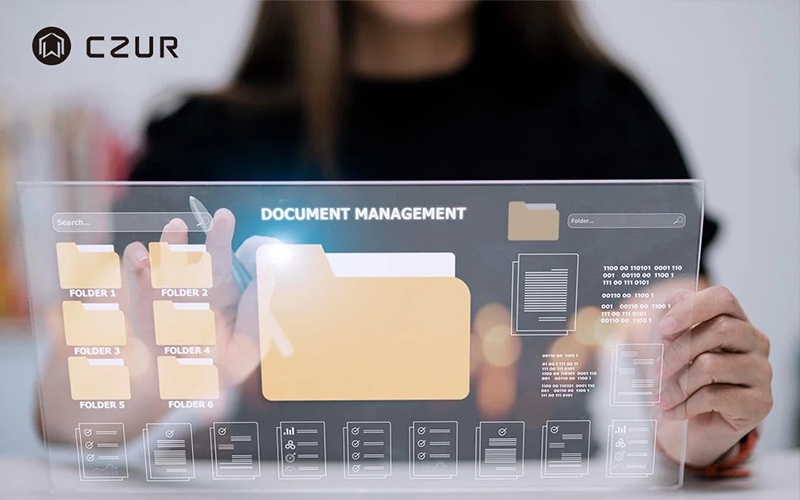 Businesses handle records every day, from contracts and invoices to employee files and financial statements. Without a clear system for organizing and maintaining these records, important information can be difficult to find, outdated files may cause confusion, and organizations may struggle to meet retention and compliance requirements.
Effective record management helps businesses control information throughout its lifecycle, including creation, classification, storage, access, retention, and disposal. Consistent naming conventions, access permissions, and retention schedules make records easier to retrieve while protecting sensitive information. Digitizing paper records can also improve accessibility and reduce reliance on physical filing systems, provided that digital files are properly organized, secured, and backed up.
A well-defined process helps organizations keep records accurate, accessible to authorized users, and available for as long as necessary. To better understand its key principles, practical applications, and benefits, read What Is Record Management?


